

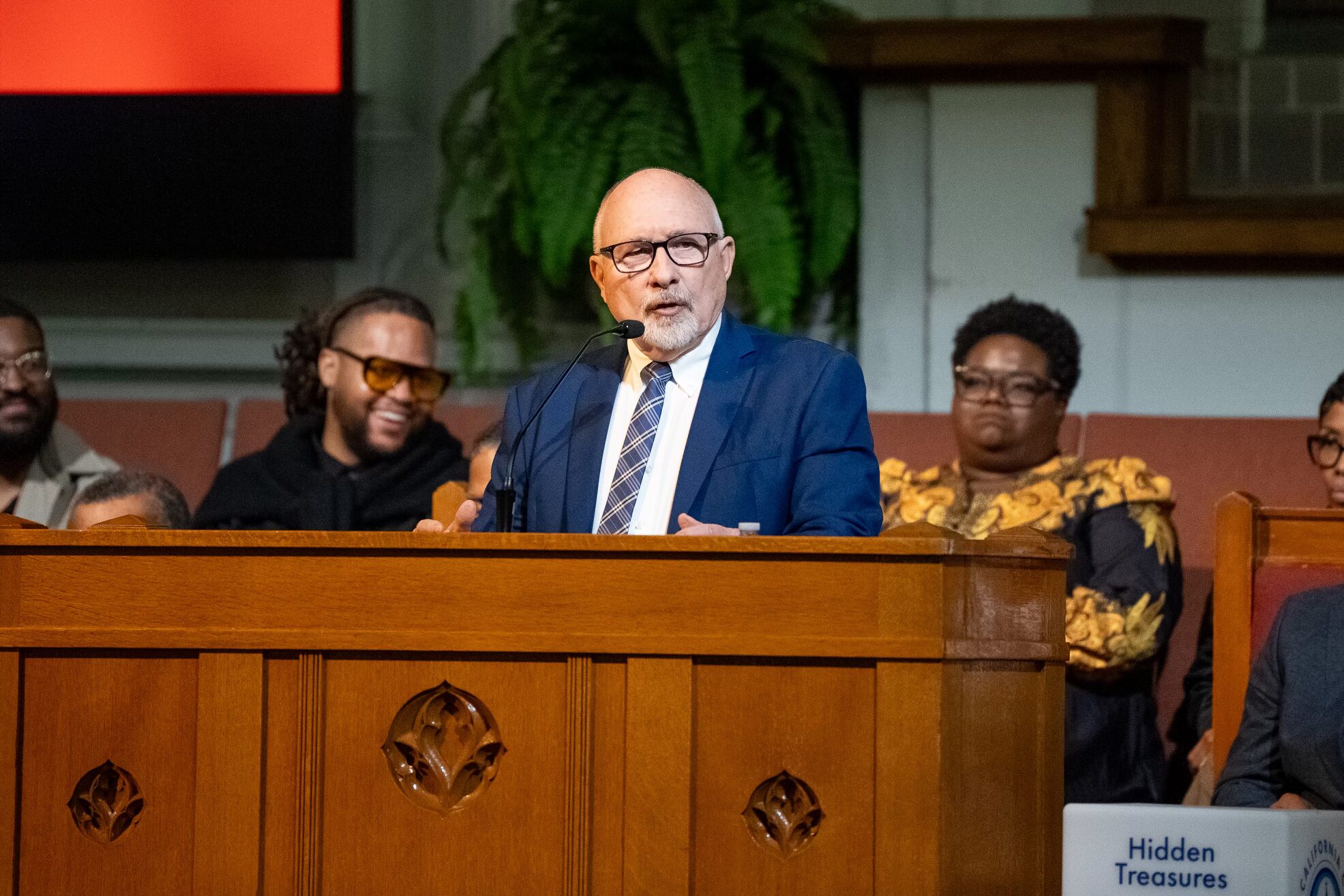
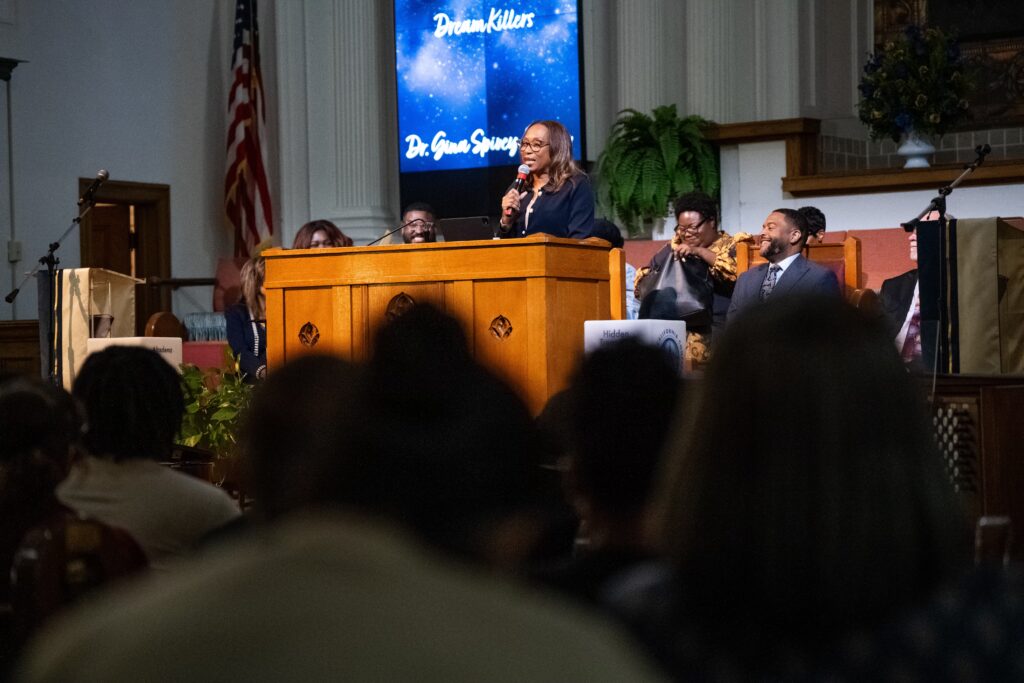
This past Sabbath, I had the privilege of worshiping at the University Seventh-day Adventist church in Los Angeles, the first African-American Seventh-day Adventist church west of the Mississippi River, as they celebrated Oakwood day in L.A. It was a joyful and meaningful gathering. Dr. Gina Spivey-Brown, president of Oakwood University, delivered a powerful and inspiring message entitled “Dream Killers,” calling us to pursue the God-given dreams placed within our hearts and to recognize the forces that attempt to silence them. The service also marked a significant milestone: 100 years of Black History Month.
I must admit that I had unconsciously assumed Black History Month was a more recent development. Yet its roots stretch back a full century. In 1926, historian Dr. Carter G. Woodson established “Negro History Week” to ensure that the contributions and experiences of Black Americans would be recognized and taught. Over time, that week grew into the month-long observance we know today, an annual invitation for our nation to remember more fully, to learn more deeply, and to honor the enduring impact of Black Americans on our shared history.
For us in the Southern California Conference, this is more than a civic observance. It is a spiritual opportunity.
Scripture reminds us that every person bears the image of God. “So, God created mankind in his own image” (Genesis 1:27, NIV). From the beginning, human dignity has never been rooted in culture, ethnicity, or social status, but in divine creation. The Bible further affirms, “From one man he made all the nations, that they should inhabit the whole earth” (Acts 17:26, NIV). Our diversity is not accidental; it is part of God’s design.
Black History Month gives us space to acknowledge both the suffering and the strength woven into the Black experience in America. It calls us to tell the truth about injustice while celebrating courage, faith, leadership, scholarship, creativity, and perseverance. It also reminds the Church of its sacred responsibility. The gospel is never indifferent to human pain. The prophet Micah speaks clearly: “What does the Lord require of you? To act justly and to love mercy and to walk humbly with your God” (Micah 6:8, NIV).
As Seventh-day Adventists, we believe the message of Revelation 14 is for “every nation, tribe, language and people” (Revelation 14:6, NIV). Ours is a movement raised up to proclaim a global, inclusive gospel. That calling compels us to examine our own hearts, our institutions, and our relationships, ensuring that they reflect the reconciling love of Christ.
Ellen G. White wrote, “Christ recognized no distinction of nationality or rank or creed. The scribes and Pharisees desired to make a local and a national benefit of the gifts of heaven…but Christ came to break down every wall of partition” (The Ministry of Healing, p. 25). In another place she affirmed, “The religion of the Bible recognizes no caste or color. It ignores rank, wealth, worldly honor” (Testimonies for the Church, vol. 9, p. 223).
As we reflect on a century of Black History Month, may we not only remember the past but also recommit ourselves to the future. In Southern California, a region richly blessed with cultural diversity, we have the privilege of modeling unity in diversity. Our churches and schools can be places where every child sees their God-given worth affirmed, where every culture is respected, and where Christ is exalted above all.
May this season deepen our gratitude, enlarge our understanding, and strengthen our resolve to live out the prayer of Jesus: “that all of them may be one” (John 17:21, NIV).
–John H. Cress, SCC President